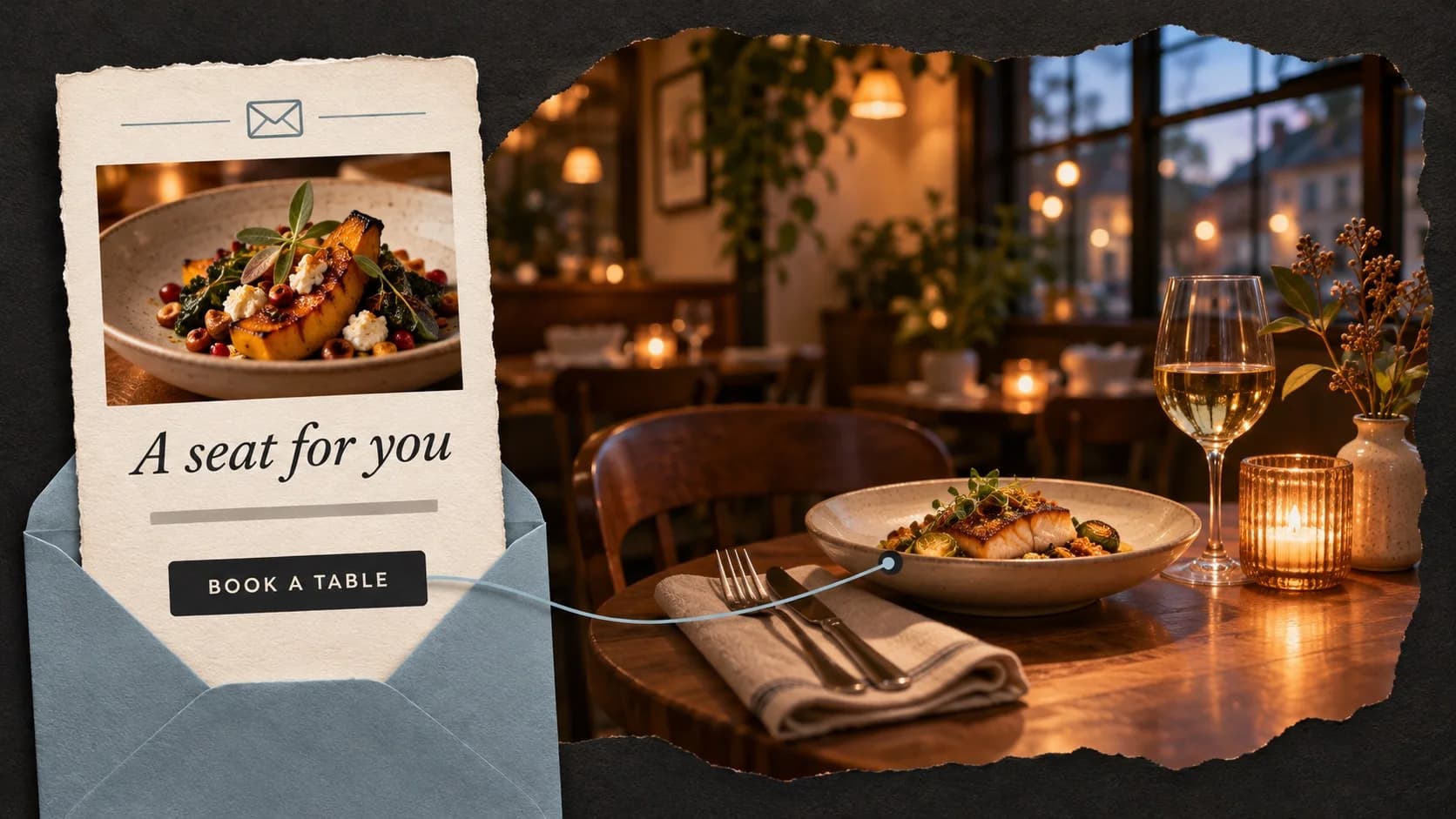
Most restaurants already have an email list and don't use it. It's sitting in OpenTable, in Toast, and in your gift card records, built from guests who chose to hear from you. A simple monthly email to those guests is one of the cheapest ways to bring them back.
We write and build email newsletters for Atlanta restaurants every month, many of them inside OpenTable and Toast. Here's how we approach it.
Your List Is Probably Already There
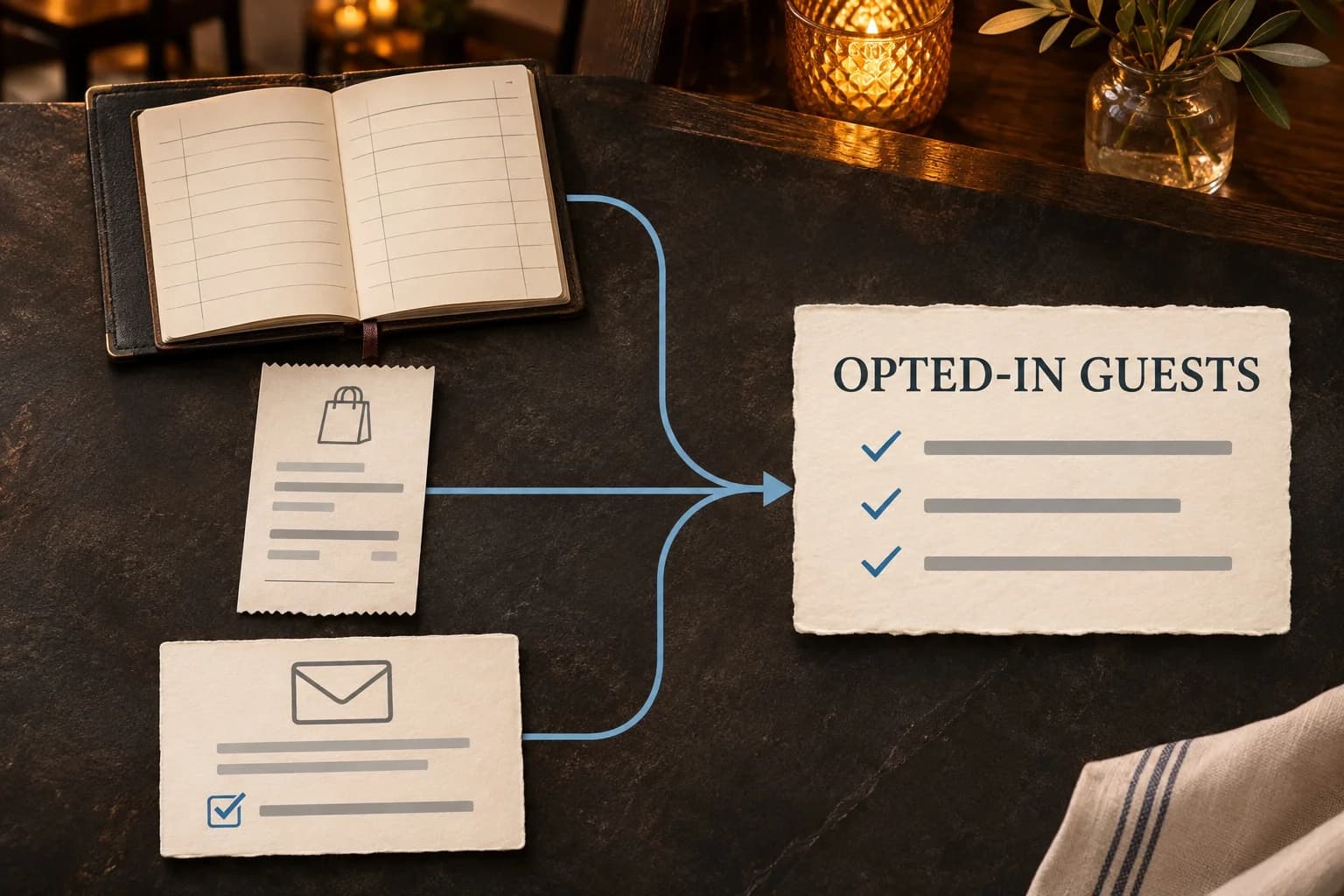
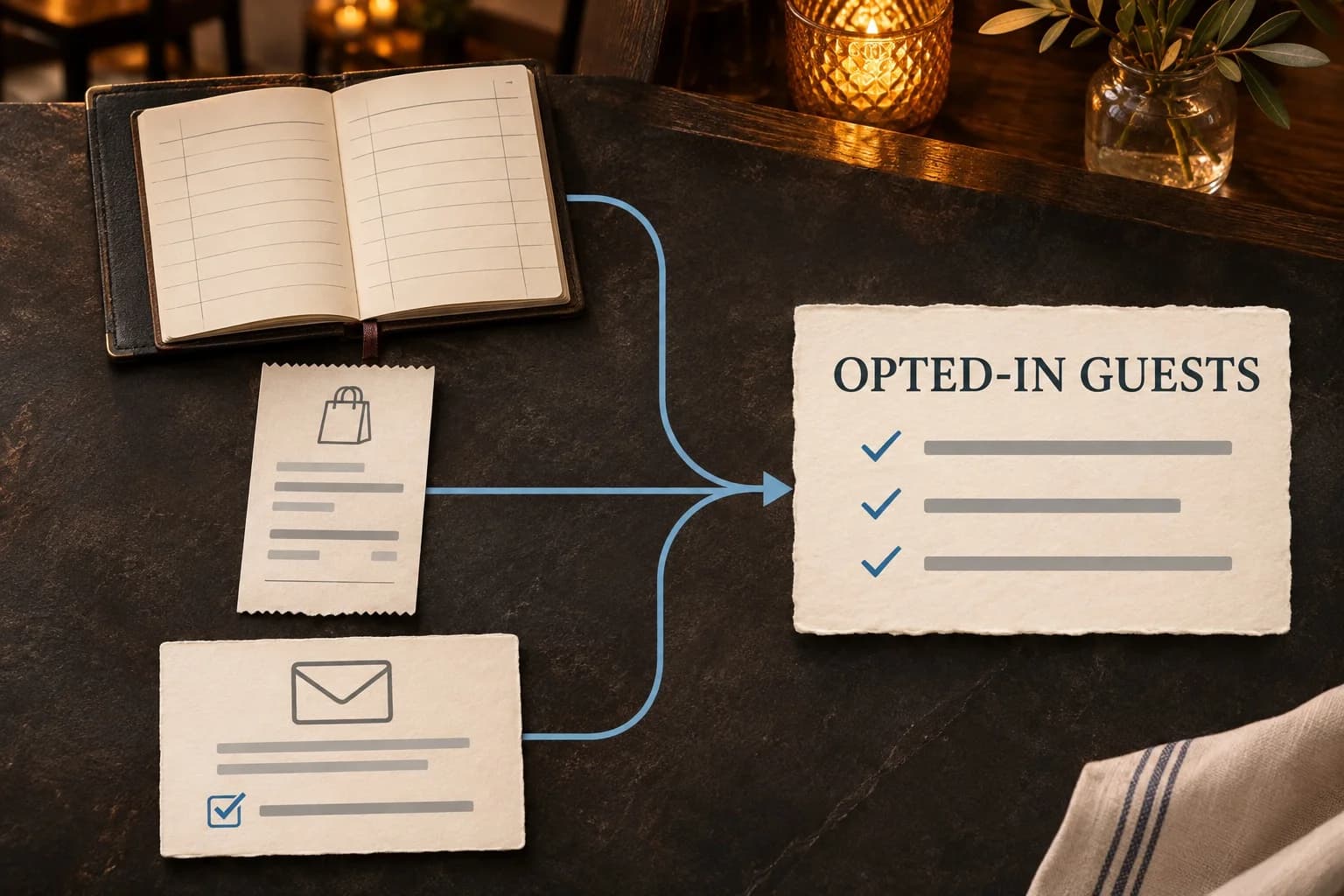
Before you buy any new software, check what you already have:
- OpenTable lets guests opt in to emails from your restaurant when they book, and its email tools can send to those guests.
- Toast collects guests through online ordering, loyalty, and gift cards, and Toast's marketing tools can email them.
- Your website can collect sign ups with a simple form.
Only email people who opted in. Never buy a list, and don't add every email address from your receipts without permission. Federal rules require an unsubscribe link in every marketing email, your business's mailing address, and that you honor unsubscribes within 10 business days. The email tools inside OpenTable and Toast handle most of that for you.
How Often to Send
Once a month is the right starting rhythm for most restaurants. It's often enough that guests remember you, and rare enough that each email has something real to say.
Add extra sends only when there's news worth a separate email: a holiday menu, a special dinner, a new location, or the last week to order for Thanksgiving. Two emails a month that guests open beat four they ignore.
What to Put in Each Email
A restaurant email works best when it's short and has one clear job.
- Lead with one story. A new seasonal dish, a chef's dinner, the patio opening, or holiday ordering. Pick one and give it the top of the email and the biggest photo.
- Use your own photos. Real dishes from your kitchen do far better than stock images.
- Give it one main button. Book a table, order for pickup, or reserve the private room. A wall of links splits attention.
- Keep a few short recurring sections under the main story: upcoming events, gift cards, private dining, and hours.
- Say your hours plainly, especially around holidays.
Write like you'd talk to a regular at the bar. Plain sentences, real names of dishes, and no pile of exclamation marks.
A November and December Plan
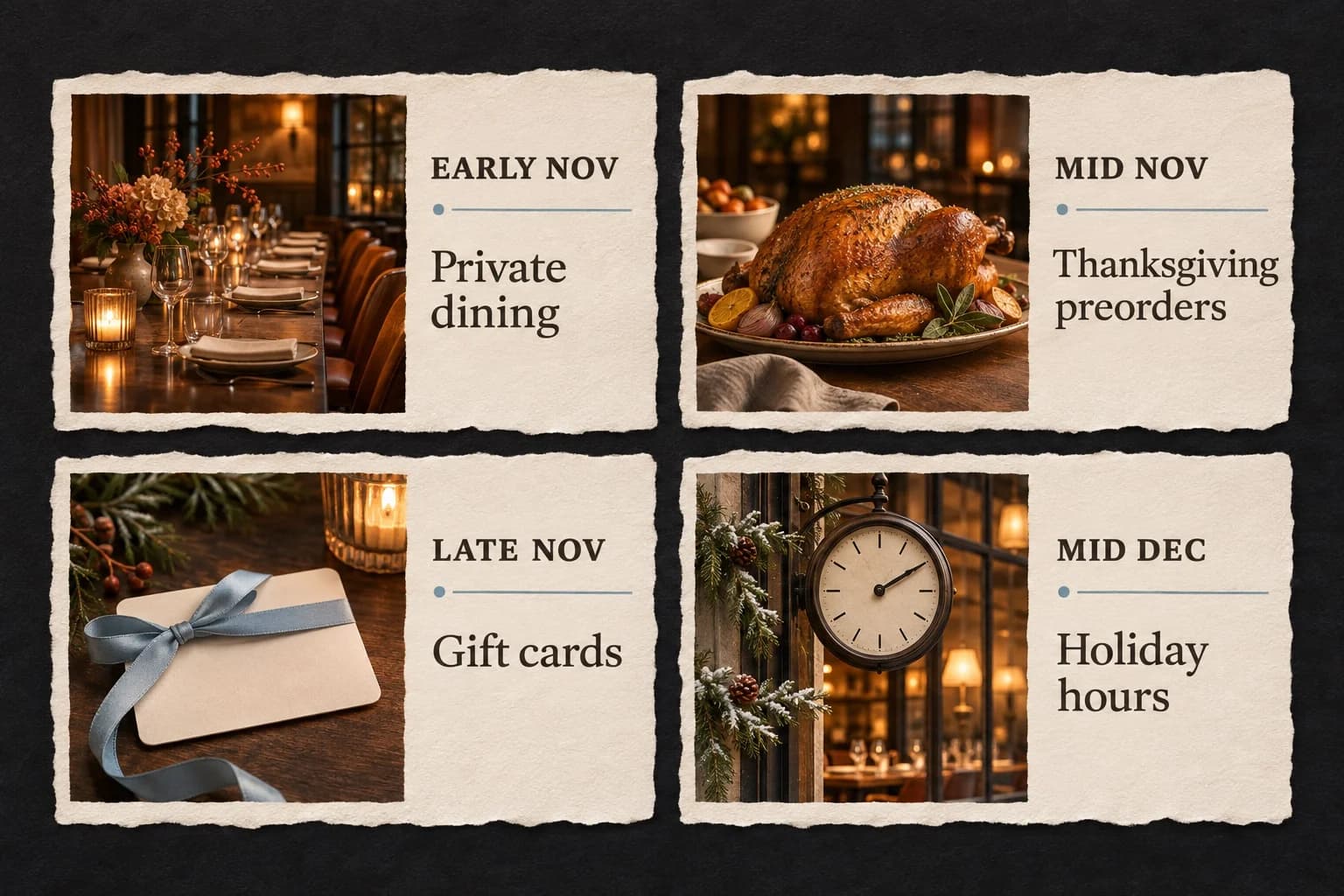
The holidays are the busiest stretch of the year for restaurant email. A simple plan:
- Early November: holiday parties and private dining. Planners book early, so this email can fill your December calendar.
- Mid November: Thanksgiving hours, and any holiday menu or preorders, with the last day to order in the subject line.
- Late November: gift cards, timed for the start of holiday shopping.
- Mid December: last call for gift cards and holiday parties, plus Christmas Eve and New Year's hours.
- Early January: a reason to come back in the slow weeks, like a new menu, a weeknight special, or an event.
Subject Lines That Get Opened
The subject line decides whether the rest of the email gets seen. The ones that work for restaurants are specific:
- "Holiday parties in the private room, now booking"
- "Order your Thanksgiving turkey by Nov 19"
- "The patio is open, and so is the new spring menu"
Avoid all caps, vague teasers, and phrases that look like spam. Put the most important detail first, because phones cut subject lines short.
Measure Clicks and Bookings, Not Opens
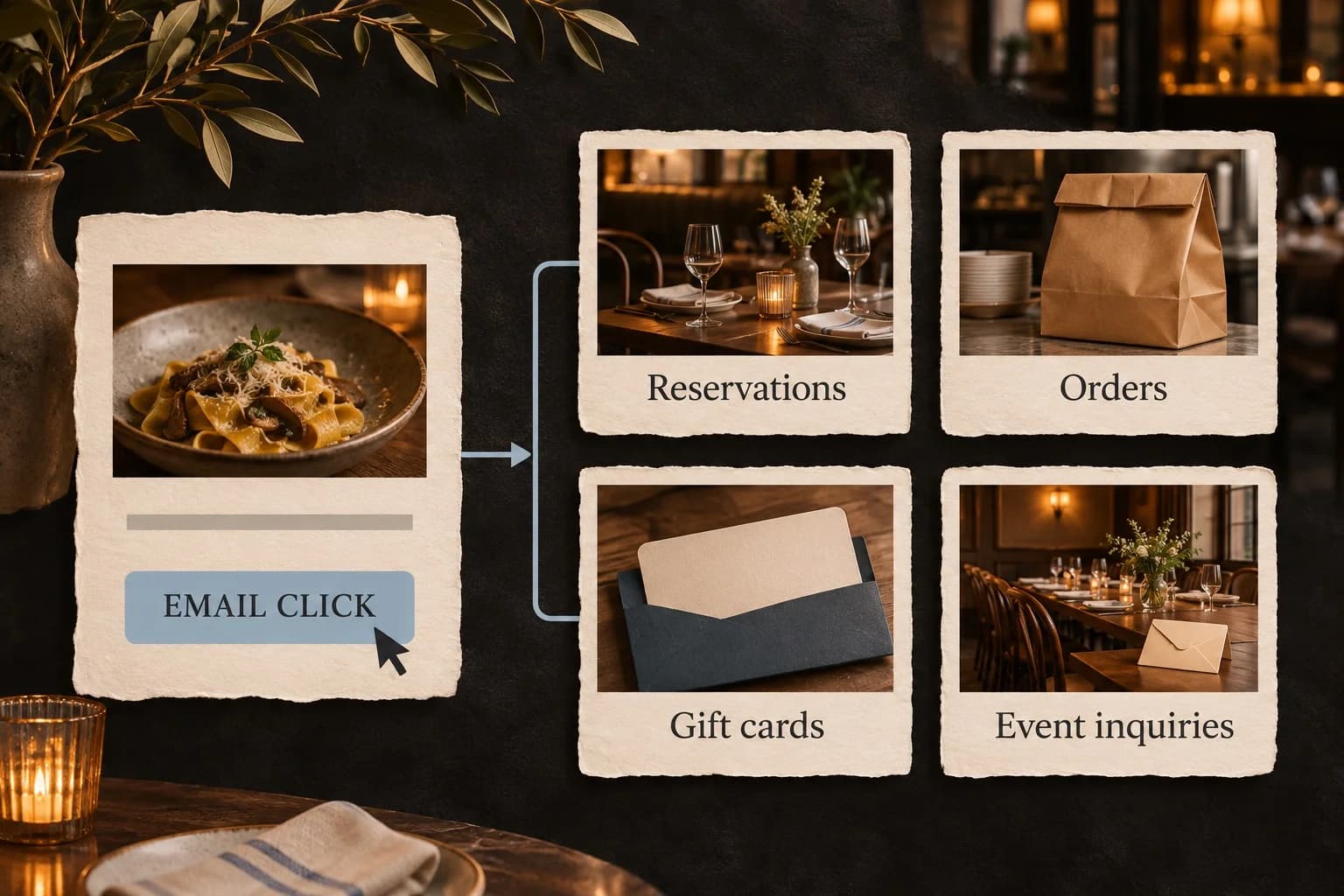
Open rates aren't reliable anymore. Apple's Mail Privacy Protection loads emails automatically for many iPhone users, so opens can be counted even when nobody read the email.
Look at clicks on your main button instead, and at what happened next: reservations in the days after a send, online orders, gift card sales, and private dining inquiries. Compare each email against the last one, not against an industry average.
Make It Easy to Send Every Month
The restaurants that stick with email make it a routine. We build each month's email by duplicating the last one and swapping in the new story, photos, and dates. The layout stays familiar to guests and the work stays manageable. Keep the design simple, because most people will read it on a phone.
Mistakes to Avoid
- Sending from a personal Gmail with everyone in BCC. It looks like spam, has no unsubscribe link, and puts your address at risk.
- Emails that are one big image. Many inboxes block images by default, and the text inside them can't be read or searched.
- Forgetting the mailing address or the unsubscribe link.
- Going quiet for six months, then sending three emails in a week.
Common Questions
How often should a restaurant send emails? Monthly is a good baseline, with extra sends for holidays and special events.
What's the best email tool for a restaurant? Usually the one you already pay for. If guests book through OpenTable or order through Toast, start with the email tools inside those platforms before adding another one.
What should a restaurant newsletter include? One main story with a photo, one clear button, upcoming events, gift cards, private dining, and your hours.
If you'd like help writing or building your monthly email, get in touch. We produce OpenTable and Toast newsletters for restaurants across Atlanta.